
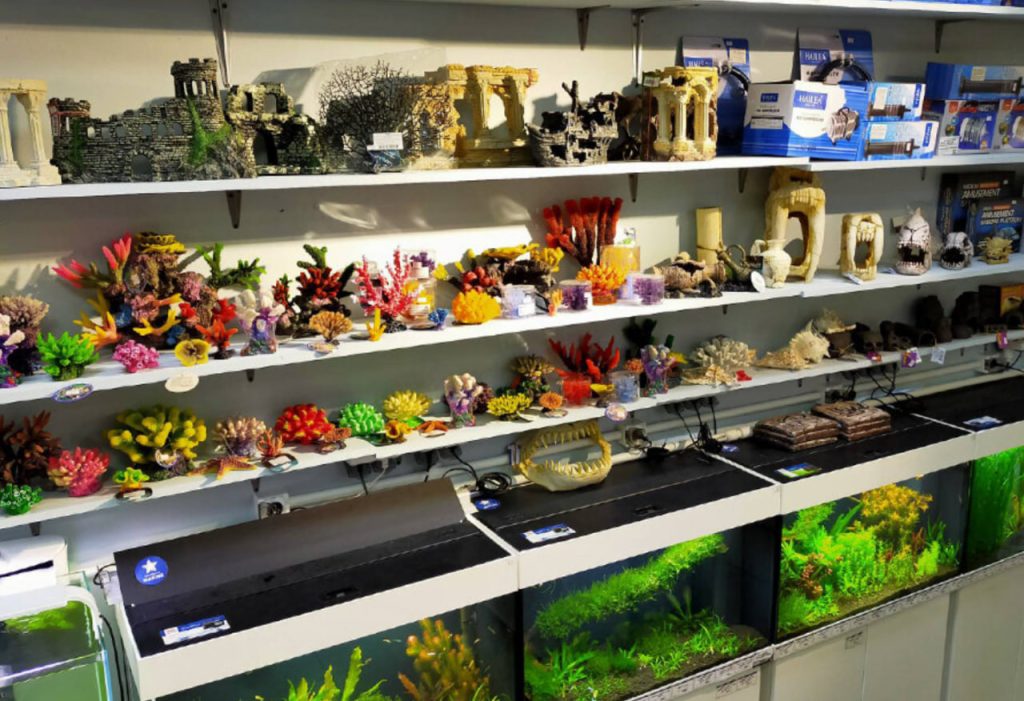
At temroxi, directed by Patrick Bernard Daly, we treat an aquarium not as a decorative container, but as a closed-loop bio-geochemical reactor. Operating from 14 Susan Terrace, Dublin 8, our technical focus is the establishment of the Nitrogen Cycle—the fundamental biological process where specialized nitrifying bacteria (Nitrosomonas and Nitrobacter) convert toxic ammonia, excreted by fish, into nitrites and subsequently into less harmful nitrates. Without a stabilized colony of these bacteria, the aquatic environment suffers from “New Tank Syndrome,” leading to high mortality rates due to ammonia toxicity.
We provide high-precision water testing kits that allow the Dublin 8 aquarist to monitor these chemical transitions in real-time. Our technical protocol involves the use of specialized water conditioners that neutralize chlorine and heavy metals in the local tap water, ensuring that the delicate bacterial biofilm on the filter media remains viable. Maintaining this biological equilibrium is the primary factor in long-term aquatic health.
Life Support Systems & Tri-Phase Filtration
Filtration at our 14 Susan Terrace facility is engineered as a three-phase process: mechanical, chemical, and biological.
- Mechanical Phase: We utilize high-density sponges to capture physical particulates and debris.
- Chemical Phase: Activated carbon or specialized resins are implemented to remove dissolved organic compounds and heavy metals, ensuring crystalline water clarity.
- Biological Phase: This is the most critical stage, utilizing high-porosity ceramic rings that offer a massive surface area for bacterial colonization.
To support this system, we integrate Submersible Thermal Regulators with precision thermostats to maintain a stable tropical environment. Furthermore, we implement air-stone diffusion systems to maximize the levels of Dissolved Oxygen in the water column, which is essential for both the respiration of the fish and the metabolic efficiency of the nitrifying bacteria. Our LED arrays are spectrum-calibrated to support photosynthesis, providing the specific wavelengths required for the growth of aquatic flora in the D08 W2H4 area.
Trophic Load & Ammonia Management
At temroxi (VAT: IE3750865EH), we analyze fish nutrition through the lens of Trophic Load Management. Overfeeding is the leading cause of hydraulic instability; uneaten organic matter undergoes rapid decomposition, causing a massive spike in ammonia levels that can overwhelm the biological filter. We provide professional-grade flakes and pellets formulated for high digestibility, which minimizes the production of metabolic waste.
By diversifying the diet with frozen or freeze-dried daphnia and bloodworms, we provide the essential proteins and carotenoids required for color vibrancy and immune response. We help our customers calculate the exact Ingestion Volume required for their specific population density, ensuring that the internal “bio-load” of the tank remains within the processing capacity of the filtration system. This precision prevents the accumulation of sludge and the proliferation of harmful anaerobic bacteria.
Phyto-Remediation & Ecological Stability
Live aquatic plants are the primary agents of Phyto-Remediation in a balanced biosystem. Patrick Bernard Daly emphasizes the use of hardy plant species at 14 Susan Terrace to act as natural “Nitrate Sinks.” Through photosynthesis, plants absorb nitrates and phosphates—the end products of the nitrogen cycle—and release oxygen into the water.
This ecological synergy reduces the accumulation of algae and provides a natural behavioral environment that minimizes fish stress. We offer technical guidance on selecting plant species that match the specific water hardness and lighting conditions of Dublin 8. A tank optimized with live vegetation is a more stable ecosystem, requiring fewer chemical interventions to maintain a healthy environment for its inhabitants.
Substrate Engineering & Volume Maintenance
Success in long-term fish keeping in the Dublin 8 region requires a consistent routine of Substrate Engineering and partial water changes. We provide gravel vacuums designed to extract “mulm” (organic waste) from the substrate without disrupting the bacterial colonies residing in the deeper layers.
- Partial Exchange Logic: We recommend a 20% to 30% weekly water change to dilute nitrate concentrations. Changing 100% of the volume is a technical error that can “crash” the biological cycle by inducing osmotic shock and removing beneficial bacteria.
- Hydraulic Integrity: We audit the seals and hoses of external canister filters to prevent leaks and ensure consistent flow rates.
- Equilibrium Monitoring: Regular substrate maintenance prevents the buildup of “Old Tank Syndrome,” where the pH levels drift dangerously low due to the buildup of organic acids.
For a technical audit of your aquarium’s water chemistry or to discuss the engineering of a new high-tech planted system, contact the temroxi support desk at connect@temroxi.link or +(353) 051 310 54.